Thursday, 3 April 2014

Cystic Fibrosis -Fyzah Shaukat

Fyzah Shaukat                          
                                                                      Cystic Fibrosis

        The Genetic disorder I will be discussing about today is called Cystic Fibrosis. What is Cystic Fibrosis? Cystic Fibrosis is a hereditary (parents to offspring) disorder, affecting the exocrine glands. What this disorder causes is the production of abnormally thick mucus leading to the blockage of the pancreatic ducts, intestines and bronchi. It often results in an respiratory infection. The reason why this is considered as a disorder is mucus is a substance made by tissues that line some organs and body cavities like the lungs and nose. This is considered normal due to it keeping our organs moist and preventing it from drying out and getting infected. What Cystic Fibrosis (CF) does it that it makes the mucus become thick and sticks, causing it to build up and block your airways. The Cystic fibrosis transmembrane conductance regulator are the chromosomes responsible for the protein functions, as a channel it crosses the membrane of cells that produce mucus, sweat, saliva, tears, and digestive enzymes. 

       It occurs by the transport of chloride ions in this CFTR control the movement of the water and the fluids which if transported and produced normally creates thin liquid, if the transportation does not produce the regular thin liquid then thick sticky mucus is produced causing Cystic Fibrosis to occur. This bodily disorder tends to take root in children and young adults much more than adults, when talking about this disorder just in general there is common disorder amongst Central and Northern European counties, but occurs in many demographic groups around the world. 

        In modern technology there is almost nothing science hasn't been able to build and use for health purposes. There are several ways Cystic Fibrosis can be detected and diagnosed, there is a total of 5 different ways doctors can test to see whether someone might be a carrier of this disorder. The 5 different ways are: Newborn screening, Sweat test, Prenatal screening, Cystic Fibrosis carrier testing and others.

        Cystic Fibrosis signs and symptoms vary, depending on things such as the severity of the case and each and every individual. Symptoms may worsen or improve as time passes, In some children symptoms being during infancy. Whereas other people may not experience the disorders properties until adolescence or adulthood. But even so, some common symptoms that occur internally are: Persistent coughs that produces thick spit and mucus, wheezing, breathlessness, decreased ability to exercise, repeated lung infections, inflamed nasal passages or a stuff nose. Other symptoms can be poor weight gain and growth, intestinal blockage, and severe constipation. It is extremely diffucilt to come to a consensus of the average life expentency of someone who carries the Cystic Fibrosis disorder in their genes, the life span of someone carrying this disorder can vary based on many factors. Aspects such as age of disorder, and severity of disease can make a big difference but even so according to the most recent Patient Registry data, the median predicted age of people carrying the disease is their early 40's. 

        Treating Cystic Fibrosis is not a simple task, it is a very complex treatment due to having to treat the disorder in different places of your body, mainly the lungs and digestive system. Because the type and severity of CF symptoms can differ widely from person to person, there is no  typical treatment plan for people with the disease. Since there is no actual final treatment, people carrying the disease do day-to-day airway clearances, and take inhaled medicines.

        When talking about ethical issues, Cystic Fibrosis does concern the public due to millions of people dying in their early 30's and 40's. There is something called Population based screening. It implies offering a program of carrier testing, with consent and genetic counselling. The purpose of such screening would be to allow people to make informed reproductive decisions with regard to the risk of Cystic Fibrosis in their offspring.

        In my opinion, Cystic Fibrosis is a very tragic and yet somehow common disorder, though millions of people die in their early stages of life due to this I feel the disorder is not given the attention is deserves. I feel if we paid more attention and had much more extensive research done this disease would deteriorate soon enough. Science has helped us create medicine, and new technology detect and treat disorders and diseases. I feel if we give the same amount of attention to Cystic Fibrosis as we do to for example Cancer, we would be able to save the lives of many children and young adults. In Your opinion, after reading this article do you think we undermine this disorder? Do you think we are providing enough of our energy and time into this disorder as we are for cancer?.


List of references (websites):

http://www.nhlbi.nih.gov/health/health-topics/topics/cf/
http://ghr.nlm.nih.gov/gene/CFTR
http://en.wikipedia.org/wiki/Cystic_fibrosis
http://www.nlm.nih.gov/medlineplus/tutorials/cysticfibrosis/id289105.pdf
http://www.mayoclinic.org/diseases-conditions/cystic-fibrosis/basics/symptoms/con-20013731
https://www.genome.gov/10001755

List of references (Images):

http://discovermagazine.com/~/media/Images/Issues/2013/September/a-look-inside-cystic-fibrosis.jpg
http://en.wikipedia.org/wiki/Cystic_fibrosis

That's it for now guys!


Golden Rice - Genetic Engineering


Genetic Engineering Technology - Golden Rice

           Golden rice is the key to overcome the deficiency of vitamin A due to its potentials toward bringing changes in human bodies. Golden rice is produced through a scientific mutation called genetic engineering (A physical process in which a gene from an organism is removed and added in another organism to observe how that particular trait is expressed in that organism). Actually, golden rice is mainly generated to complete the deficiency of vitamin A in the parts of world where sources of vitamin A are not very favourable. The invention of golden rice is originated from a type of rice called Oryza sativa, which is not very difficult to mutate into other forms of rice through genetic engineering. The main goal of scientists were to produce golden rice to cover the shortage of beta – carotene (fundamental of vitamin A), i.e. it is type of pigment, usually in red or orange colour. In the creation of this rice, there were two genes involved to perform the transformation of an ordinary Oryza sativa, which were called phytoene synthase (psy) and carotene desaturase (crtl). Plants are able to produce these pigments (Beta carotene) on their own located at the part of their leaves, where the process of photosynthesis takes place, but the correct location is at the endosperm (food storage). The plant component of rice cannot be eaten to get the possible vitamin. The mechanism is actually inactivated in parts of grains, which is the component that can be consumed by humans. Thus, these plants need an external help to get transformed or start containing to provide high levels of beta – carotene. In the further research and laboratory tests, scientists find out that the golden rice favors the bioavailability of vitamin A under natural conditions (grown in fields), rather than cultivated in the atmosphere of greenhouse gases. There was an interesting experiment conducted by a group of scientists as they decided to enhance the effects of golden rice by conducting a similar gene implant as in the creation of golden rice 2. They collaborated (psy) and (crtl) genes, which came from maize and the original golden rice. This gene implant brought significant increase in the levels of beta – carotene, approximately including 23 times extra vitamin A than the original golden rice was obtained from it, after testing. It is one of the main source to decrease the chances of getting the deficiency of vitamin A as there are hundreds of complications related to this disease. Around the globe, there are millions of people who are diagnosed with the deficiency of vitamin A and suffer from permanent eye – blindness, night blindness, degradation of immune functioning, and even death in severe cases. Thus, there have been a lot discussion on this serious issue and many campaigns have been formed to tackle against this preventable disorder.


      This technology has many considerable benefits, not only toward undeveloped countries, but also to bring relief in developed countries as well. Golden rice has been showing great results in the areas of world where only rice is mainly consumed as food. People living in these areas are much likely to have a deficiency of vitamin A as do they not have enough sources to compensate the necessary intake of vitamin A. Since, scientists have upgraded Golden rice (Golden Rice 2) into a more effective supplement to enhance its outcome, people in rural areas are encouraged to grow golden rice, so that their dependency on ordinary rice could be transformed into an intake of healthy supplements. Some of the statistics also state that an average diet of golden rice is better than any of naturally beta – carotene vegetables.

      Some of the drawbacks of this technology are that when the golden rice is artificially produced, it is composed of various toxins to resists itself from pests. These toxins are successful in terms to protecting the rice from pests, however, it contaminates the rice itself and leaks into the soil beneath it, causing high levels of acid in soil and destroy healthy soil microbes for plant growth. One of the other cons is that golden rice’s pollens have the capability of moving for a long distance and it could pollinate other wild plants (same type) as their further generations would fall under this contamination as well. Apart from plants, over dosage of golden could cause increase in the levels of vitamin A, which would result to hypervitaminosis A.


           Beside some physical issues of golden rice, it has to be considered ethically as well. Some people might refuse to consume this type of rice as it genetically transformed with different genes from wild plants and from a bacteria found in soil. People might get negative health conditions due to the intake of this rice and might not recover properly. Since, this technology has not been tested (applied) on animals, it not safe for humans to considerate eating the golden rice. The use of golden rice is also supporting the genetic alterations to normal organisms, which is banned and could be misused.

            In my opinion golden rice should be encouraged in all parts of the world because people who are only dependent on rice would get their appropriate consumption and others would be helped too. Some organisations like Green Peace opposes this campaign due to some unrealistic reasons, thus, they are protesting against this act. However, according to statistics, golden rice has shown incredible results, especially in Asian countries where malnutrition is higher. Therefore, golden rice must be compulsory to be grown around the world, so that millions of people suffering from it could survive and live a healthy life. (Should it be authorised to conduct genetic modifications by inserting genes from various unknown sources in plants to overcome some sort of deficiency or disease?)


References:


Scorpion Poison Cabbage - Joon Dong

Genetic Engineering

    Scientists and researchers have yet again created another genetically modified product. As strange as it may sound, the next GMO food to hit the stores is indeed cabbage altered with scorpion venom. Although many everyday foods we eat are genetically altered such as rice, potatoes, and oils, scorpion cabbage still strikes a few questions. During your stay here, you'll learn a little bit about this creation. 

    Some of you may not know the basics so without further ado, what are GMOs? GMOs are genetically modified organisms which includes anything that has been genetically engineered with DNA. This is done with animals and plants, which most of the time means food.

   So what's the deal with scorpion venom infused cabbage? Of all things why such a seemingly dangerous toxin over regular pesticides? The toxin will be used to fend off against bugs however, these cabbages are designed to infect bugs such as cabbage loving caterpillars. 

The cabbage will release a nerve poison taken from it's new scorpion genetic material to paralyze and stop bugs from eating which allows the virus to act. Studies so far have shown that the virus has successfully poisoned over 100 species of butterflies and 75 species of moths.
This technology is most needed in mass cabbage crop production areas.

    There are many problems and ethical issues with this GMO. The first thing that comes to mind is whether it is even safe to consume such a thing. Researchers have claimed that it does no harm to humans, however, studies have not been done on live people nor normal cells. They have been done on breast cancer cells. Is that reassuring to us? This GMO study is being done to reduce use of pesticides but if cabbages were to be injected with scorpion venom, it would mean every single cell would contain it.


    In my opinion, I am not quite sure if this technology should be used. I don't know whether other articles are just purely against the idea of GMOs or if they are indeed true facts. Personally, I like to wait and see what I find fit to be true. 

    Do you guys agree or disagree with this change in cabbage? Even though so many of our foods have been modified, do you have a problem specifically with this happening or would this be just like any other food? We are oblivious to many things that happen in the food industry. Does this shed light on what you eat or is this not a surprise?


Written by Joon

http://www.greenmedinfo.com/blog/gm-cabbage-scorpion-poison-coming-soon
http://www.thesleuthjournal.com/scorpion-poison-used-gmo-cabbage/


Humulin Sarah Ahmaddy


                                                             Humulin                             Sarah Ahmaddy
Genetic Engineering Technologies

Humulin, is a name for a group of bio-synthetic human insulin products. It is a form of insulin that is made from recombinant DNA. It is very similar to human insulin. There are many different types of Humulin. For example, Humulin N, Humulin 70/30, Humulin R U-500, etc. Humulin was invented by three people. Irving S. Johnson (1925-), an American biochemist at Eli Lilly Research Laboratories, and the vice president at Eli Lilly Research Laboratories Ronald E. Chance.

This technology was made and used as a medication for people who were suffering from diabetes. Around seventy million people in this world is diagnosed with diabetes. People who are suffering from diabetes, their bodies cannot use the insulin properly, or their pancreas does not make enough to fulfil the body's needs. This is where the technology is most needed. Humulin is injected inside of a human to help lower blood glucose levels. Many people who have used this insulin said that the outcome is very effective. It stops working after six to eight hours.


Even though this technology is a great use for diabetes, it still has a few cons. A few side effects would be: anxiety, headache, hunger, sweating, nausea, drowsiness, and etc. When injecting the insulin into your body, if any of the following occur, consult your doctor. Itching, swelling or/and redness. Some ethical issues would be that it is a bit expensive. Most people cannot afford this technology. They try to find the next best thing that is very similar to humulin but at a cheaper price.

In conclusion, this technology should be used worldwide. I think this because Humulin was invented to help the humans meet their body requirements. Even though the price is a bit expensive, it surely does make a difference in this world.

In Vitro Fertilization in Humans By: Ifrah Abdulle


 In Vitro Fertilization in Humans


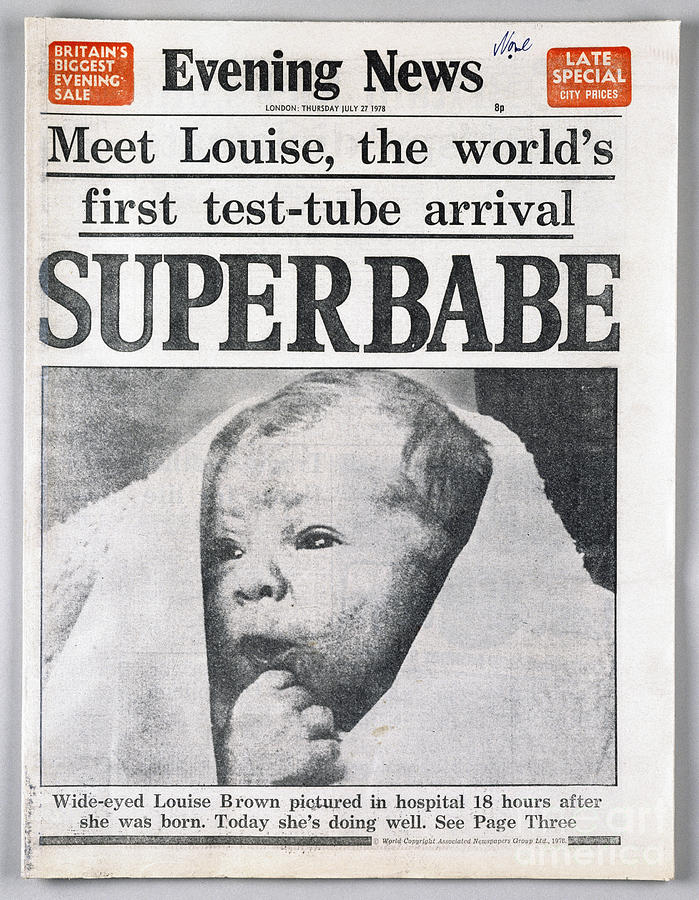
   Did you ever think it was possible for a baby to be conceived outside a mother’s womb? Well as surprising as it sounds Louise Brown, born in England in 1978, was the first baby to be born that way. The word in vitro means “outside the body.” Therefore, in vitro fertilization (IVF) literally means ‘fertilization in glass’ recognizably known as the term ‘test tube baby’. In the past, in vitro fertilization was not much heard of, however with the advancement and research in the areas of reproductive technologies it is commonly known in our progressing society.


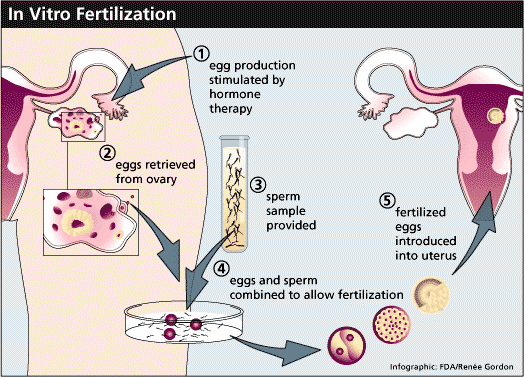
  In essence, IVF is a cycle of procedures used to treat fertility problems and aid with the conception of a child. Therefore, IVF is used to treat many causes of infertility. Some include, an older aged woman and damaged or blocked fallopian tubes. In vitro fertilization is the joining of a woman’s egg and a man’s sperm in a laboratory dish. For example, during the IVF procedure, mature eggs are removed from the ovaries and fertilized by sperm in a lab. Then the fertilized egg (embryo) or eggs is then placed in the woman’s womb. One cycle of IVF takes about two weeks. The probability of having a healthy baby using IVF depend on many factors, like your age and the cause of infertility. Also, success rates differ across IVF clinic, and with the woman’s age. Generally, some clinics achieve pregnancies in about 90% of women aged under 35 years, 85% of women aged 35 to 39, and 45% of women aged 40 to 44.


   IVF is an expensive and lengthy procedure. There is a high chance that many women give birth to more than one baby. This occurs when several embryos are implanted in the uterus. Therefore, multiple pregnancies is a frequent risk. Twins occur in 10% to 35% of pregnancies, while triplets occur in 1% to 5%. A higher risk of premature delivery and other related complications is a result of multiple pregnancies. For instance, it is more possible to have a baby with a birth defect like spina bifida if it was conceived with IVF. Another problem associated with this technology is a condition called ovarian hyperstimulation syndrome (OHSS). This syndrome is when the levels of oestrogen rise above normal, the ovaries become inflamed and extra fluid collects in the abdomen. OHSS causes marked abdominal swelling, nausea, diarrhoea and shortness of breath. Despite the effects, OHSS doesn’t normally require hospitalization. Overall, there are many complications associated with this technology, however many women are brave enough to endure this process to experience the miracle of life.  More severe symptoms that occur in 1% of cases, include the following:
 
  • Severe abdominal pain
  • Decreased urinary frequency
  • Dark-colored urine
  • Ten pound weight gain within three to five days


    There are many ethical issues regarding the IVF procedure. One step in the process requires the disposal of excess embryos. When embryos are ready to be put back into the uterus  some embryos are not used because of criteria such as handicaps, genetic disorders, or gender. This is an ethical issue because multiple fertilized eggs start development, and only a few are used for implantation. Another moral question is based on giving birth after menopause. Naturally women over the age of fifty are unable to conceive a child as they become menopausal. Nevertheless,  IVF has provided scientific measures to ensure pregnancy. These women obtain embryos that  come from egg donors. Particularly, these women are not genetically related with the child in any way, but they still feel the experience of pregnancy and childbirth. The ethics regarding IVF is a heated topic. There are some people who agree with the IVF practice itself but are highly concerned about the integrity behind the prosperous industry. These individuals believe that since IVF is currently a multi-billion industry it will be subjected to serious exploitation and neglect. For instance, various practitioners will take advantage of the vulnerable customers at their expense to gain profit. Additionally, laboratory mistakes have happened in the past like unidentified gametes and the transfer of wrong embryos. This resulted in legal action against the IVF provider and intricate paternity suits.


   Currently there are many extensive initiatives and research that scientists are doing to improve to quality of the IVF procedure. I believe in order to improve and ensure safety pregnancy results scientist should find a way to prevent multiple pregnancies. They could approach this obstacle by developing new technologies to study effective methods of implanting a single embryo in the uterus to achieve pregnancy.  Scientists could also test there scientific findings on other species like mice. Finally, I believe they should focus their studies on embryo development to overall improve the reliability of the IVF technology.


 Even after menopause the uterus is entirely capable of carrying out a pregnancy. In your opinion, at what age do you think it is inappropriate to have a child with in vitro fertilization?  How old is too old?


References:
http://www.mayoclinic.org/tests-procedures/in-vitro-fertilization/basics/how-you-prepare/prc-20018905
http://www.babycenter.ca/a4094/fertility-treatment-in-vitro-fertilization-ivf
http://www.webmd.com/infertility-and-reproduction/guide/in-vitro-fertilization
http://americanpregnancy.org/infertility/ivf.html
http://www.nlm.nih.gov/medlineplus/ency/article/007279.htm


Blog Written by Ifrah Abdulle


Uterus Implants In Humans

                              Uterus Implants In Humans


                                                                                                                                                                                 Uterus implants in humans is basically when doctors take an egg and sperm and put it in a container. They will then inject this into the women so she can get pregnant. A women can get pregnant and can prevent herself from getting pregnant this is called “IUD”. “IUD stands for intrauterine device. IUD is a T shaped device that would be inserted into the uterus so the women cannot get pregnant. This device cost about $500-1,000 and, will last for approximately 2 years. The IUD prevents the sperm form meeting the egg, this device is one of the most effective birth control methods. If a women wants it inserted or even taken out they must go to their health care and they will do it for them. The problem with a “IUD” is if you have symptoms such as: having cancer on the uterus, think you are pregnant, have cervical cancer that hasn't been treated etc… you must not use and IUD. There are different types of "IUD" such as Mirena, Copper T and multiload.


But there is a catch you see the copper T-shaped device with strings attached is inserted into the uterus by a doctor to prevent sperm from fertilizing an egg. The copper IUD can be left in place for three to five years and it cost from $80-160, and on they other hand there is one called Mirena which the newer version releases a low dose of the hormone progestin directly into the uterus it is also put in by the doctor but the price of this is so much higher it ranges from $325-350. Another major thing about IUD'S is that it can give women a sharp pain or even cramping. If you do become pregnant while using an IUD, there is a high risk that the pregnancy will be ectopic that's when a fertilized egg begins to develop inside the Fallopian tubes and not the uterus. This condition is treatable but can be very harmful for the women.


                     This Video talks about the safety and effectiveness of IUD!

Question: Do you think that women should be talking birth control (IUD)?? Why or why not??

References:

http://www.plannedparenthood.org/health-topics/birth-control/iud-4245.htm

http://www.besthealthmag.ca/get-healthy/girlfriends-guide/6-things-you-should-know-about-iuds


  Prepared by Nawal Hajjy                            

                           Intrauterine Insemination In Human


You may wander if it is good to use Insemination process in human or not, read the selection to answer your question.

 This is the process of putting sperm in to the woman's reproductive tract, by using a thin, flexible tube. For example, when woman is ovulating the sperm are placing in to a woman's uterus so as fertilization  took place. It was invented by Mr John Hunter since 1776 to help those couple  who have.
  • Donor Sperm
  •  Semen Allergy
  • unexplained Infertility
 The problem / risk of this process there is possibility of getting       
  •  Multiple pregnancy                                                                                         
  •  Infection                                                                                                               
  •  Spotting.
 This process is simple and may be performed even if the woman is not receiving medication to improve her egg production. Many scientists will advice  women to take medications to stimulate the ovaries to increase egg production in order to improve the chance of achieving pregnancy.
An ultrasound will be used to monitor the size of the follicles (follicles develop into eggs). The hormone, human Chorionic Gonadotropin (hCG), is administered to stimulate the release of eggs from the follicles.

The sperm sample will be washed by the lab to separate the sperm from the seminal fluid. A catheter is used to inject the processed sperm directly into the uterus. This process maximizes the number of sperm cells that are placed in the uterus, thus increasing the possibility of conception. The IUI procedure takes little time and involves minimal discomfort. The last thing is  to watch for signs and symptoms of pregnancy.

This process have succeed for about 10 to 20% in our day.
10% possibilety per month of getting pregnant and having a baby.
15% possibilety per month of getting pregnant and having a baby with injectable FSH medication (e.g. Follistim, Gonal-F, Bravelle or Menopur) and IUI for up to 3 cycles
5% chance of conceiving and having a baby with 1 IVF(Invintro fertilization) cycle (at our center - success rates vary between clinics)

Chances for success in women over 35 drop off, and for women over 40 they are much lower. For this reason, the process should be more aggressive in older women.


The problem of this process  although it is not painfull when it is eximined, you may experience mild cramps similar to period pains.
The risks can be associated with the fertility drugs that are often used with this treatment can include reactions to the drugs and cose cartein  pregnancy problems.With stimulated the treatment , you may also run the risk of multiple pregnancy.

 Some issues  that are consider in this process are 

To conclude,Scientists will improve this technology by convinsing those couples who has less ability on producing a baby, and make a treat ment  for them. Also to educate those who dosent know about this process and make understend on it. 

 For more Information or refrence you may visit

 https://www.youtube.com/results?search_query=intrauterine+insemination
http://home.tb.ask.com/index.jhtml?n=77DE8857&qs=static
http://search.snapdo.com/?st=hp&q=
https://www.google.ca/