Thursday, 3 April 2014

Scorpion Poison Cabbage - Joon Dong

Genetic Engineering

    Scientists and researchers have yet again created another genetically modified product. As strange as it may sound, the next GMO food to hit the stores is indeed cabbage altered with scorpion venom. Although many everyday foods we eat are genetically altered such as rice, potatoes, and oils, scorpion cabbage still strikes a few questions. During your stay here, you'll learn a little bit about this creation. 

    Some of you may not know the basics so without further ado, what are GMOs? GMOs are genetically modified organisms which includes anything that has been genetically engineered with DNA. This is done with animals and plants, which most of the time means food.

   So what's the deal with scorpion venom infused cabbage? Of all things why such a seemingly dangerous toxin over regular pesticides? The toxin will be used to fend off against bugs however, these cabbages are designed to infect bugs such as cabbage loving caterpillars. 

The cabbage will release a nerve poison taken from it's new scorpion genetic material to paralyze and stop bugs from eating which allows the virus to act. Studies so far have shown that the virus has successfully poisoned over 100 species of butterflies and 75 species of moths.
This technology is most needed in mass cabbage crop production areas.

    There are many problems and ethical issues with this GMO. The first thing that comes to mind is whether it is even safe to consume such a thing. Researchers have claimed that it does no harm to humans, however, studies have not been done on live people nor normal cells. They have been done on breast cancer cells. Is that reassuring to us? This GMO study is being done to reduce use of pesticides but if cabbages were to be injected with scorpion venom, it would mean every single cell would contain it.


    In my opinion, I am not quite sure if this technology should be used. I don't know whether other articles are just purely against the idea of GMOs or if they are indeed true facts. Personally, I like to wait and see what I find fit to be true. 

    Do you guys agree or disagree with this change in cabbage? Even though so many of our foods have been modified, do you have a problem specifically with this happening or would this be just like any other food? We are oblivious to many things that happen in the food industry. Does this shed light on what you eat or is this not a surprise?


Written by Joon

http://www.greenmedinfo.com/blog/gm-cabbage-scorpion-poison-coming-soon
http://www.thesleuthjournal.com/scorpion-poison-used-gmo-cabbage/


Humulin Sarah Ahmaddy


                                                             Humulin                             Sarah Ahmaddy
Genetic Engineering Technologies

Humulin, is a name for a group of bio-synthetic human insulin products. It is a form of insulin that is made from recombinant DNA. It is very similar to human insulin. There are many different types of Humulin. For example, Humulin N, Humulin 70/30, Humulin R U-500, etc. Humulin was invented by three people. Irving S. Johnson (1925-), an American biochemist at Eli Lilly Research Laboratories, and the vice president at Eli Lilly Research Laboratories Ronald E. Chance.

This technology was made and used as a medication for people who were suffering from diabetes. Around seventy million people in this world is diagnosed with diabetes. People who are suffering from diabetes, their bodies cannot use the insulin properly, or their pancreas does not make enough to fulfil the body's needs. This is where the technology is most needed. Humulin is injected inside of a human to help lower blood glucose levels. Many people who have used this insulin said that the outcome is very effective. It stops working after six to eight hours.


Even though this technology is a great use for diabetes, it still has a few cons. A few side effects would be: anxiety, headache, hunger, sweating, nausea, drowsiness, and etc. When injecting the insulin into your body, if any of the following occur, consult your doctor. Itching, swelling or/and redness. Some ethical issues would be that it is a bit expensive. Most people cannot afford this technology. They try to find the next best thing that is very similar to humulin but at a cheaper price.

In conclusion, this technology should be used worldwide. I think this because Humulin was invented to help the humans meet their body requirements. Even though the price is a bit expensive, it surely does make a difference in this world.

In Vitro Fertilization in Humans By: Ifrah Abdulle


 In Vitro Fertilization in Humans


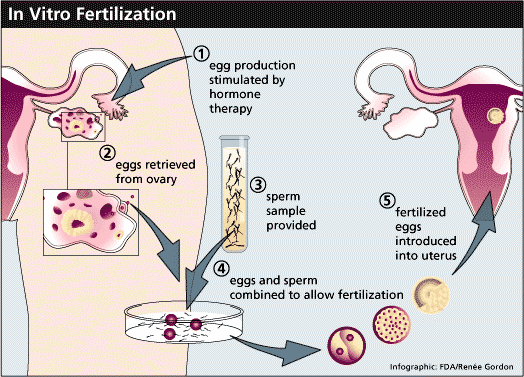
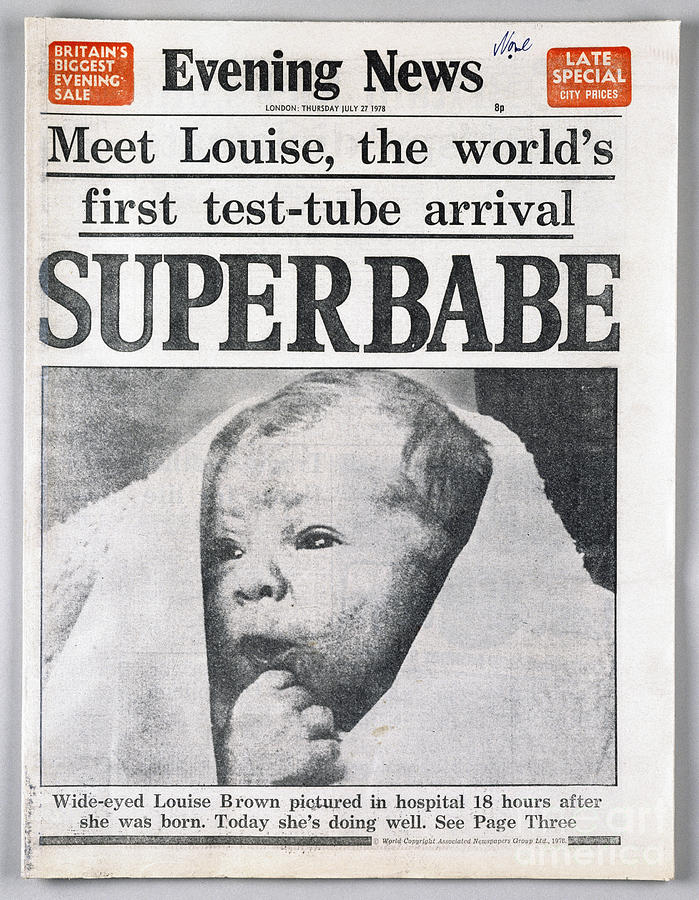
   Did you ever think it was possible for a baby to be conceived outside a mother’s womb? Well as surprising as it sounds Louise Brown, born in England in 1978, was the first baby to be born that way. The word in vitro means “outside the body.” Therefore, in vitro fertilization (IVF) literally means ‘fertilization in glass’ recognizably known as the term ‘test tube baby’. In the past, in vitro fertilization was not much heard of, however with the advancement and research in the areas of reproductive technologies it is commonly known in our progressing society.


  In essence, IVF is a cycle of procedures used to treat fertility problems and aid with the conception of a child. Therefore, IVF is used to treat many causes of infertility. Some include, an older aged woman and damaged or blocked fallopian tubes. In vitro fertilization is the joining of a woman’s egg and a man’s sperm in a laboratory dish. For example, during the IVF procedure, mature eggs are removed from the ovaries and fertilized by sperm in a lab. Then the fertilized egg (embryo) or eggs is then placed in the woman’s womb. One cycle of IVF takes about two weeks. The probability of having a healthy baby using IVF depend on many factors, like your age and the cause of infertility. Also, success rates differ across IVF clinic, and with the woman’s age. Generally, some clinics achieve pregnancies in about 90% of women aged under 35 years, 85% of women aged 35 to 39, and 45% of women aged 40 to 44.


   IVF is an expensive and lengthy procedure. There is a high chance that many women give birth to more than one baby. This occurs when several embryos are implanted in the uterus. Therefore, multiple pregnancies is a frequent risk. Twins occur in 10% to 35% of pregnancies, while triplets occur in 1% to 5%. A higher risk of premature delivery and other related complications is a result of multiple pregnancies. For instance, it is more possible to have a baby with a birth defect like spina bifida if it was conceived with IVF. Another problem associated with this technology is a condition called ovarian hyperstimulation syndrome (OHSS). This syndrome is when the levels of oestrogen rise above normal, the ovaries become inflamed and extra fluid collects in the abdomen. OHSS causes marked abdominal swelling, nausea, diarrhoea and shortness of breath. Despite the effects, OHSS doesn’t normally require hospitalization. Overall, there are many complications associated with this technology, however many women are brave enough to endure this process to experience the miracle of life.  More severe symptoms that occur in 1% of cases, include the following:
 
  • Severe abdominal pain
  • Decreased urinary frequency
  • Dark-colored urine
  • Ten pound weight gain within three to five days


    There are many ethical issues regarding the IVF procedure. One step in the process requires the disposal of excess embryos. When embryos are ready to be put back into the uterus  some embryos are not used because of criteria such as handicaps, genetic disorders, or gender. This is an ethical issue because multiple fertilized eggs start development, and only a few are used for implantation. Another moral question is based on giving birth after menopause. Naturally women over the age of fifty are unable to conceive a child as they become menopausal. Nevertheless,  IVF has provided scientific measures to ensure pregnancy. These women obtain embryos that  come from egg donors. Particularly, these women are not genetically related with the child in any way, but they still feel the experience of pregnancy and childbirth. The ethics regarding IVF is a heated topic. There are some people who agree with the IVF practice itself but are highly concerned about the integrity behind the prosperous industry. These individuals believe that since IVF is currently a multi-billion industry it will be subjected to serious exploitation and neglect. For instance, various practitioners will take advantage of the vulnerable customers at their expense to gain profit. Additionally, laboratory mistakes have happened in the past like unidentified gametes and the transfer of wrong embryos. This resulted in legal action against the IVF provider and intricate paternity suits.


   Currently there are many extensive initiatives and research that scientists are doing to improve to quality of the IVF procedure. I believe in order to improve and ensure safety pregnancy results scientist should find a way to prevent multiple pregnancies. They could approach this obstacle by developing new technologies to study effective methods of implanting a single embryo in the uterus to achieve pregnancy.  Scientists could also test there scientific findings on other species like mice. Finally, I believe they should focus their studies on embryo development to overall improve the reliability of the IVF technology.


 Even after menopause the uterus is entirely capable of carrying out a pregnancy. In your opinion, at what age do you think it is inappropriate to have a child with in vitro fertilization?  How old is too old?


References:
http://www.mayoclinic.org/tests-procedures/in-vitro-fertilization/basics/how-you-prepare/prc-20018905
http://www.babycenter.ca/a4094/fertility-treatment-in-vitro-fertilization-ivf
http://www.webmd.com/infertility-and-reproduction/guide/in-vitro-fertilization
http://americanpregnancy.org/infertility/ivf.html
http://www.nlm.nih.gov/medlineplus/ency/article/007279.htm


Blog Written by Ifrah Abdulle


Uterus Implants In Humans

                              Uterus Implants In Humans


                                                                                                                                                                                 Uterus implants in humans is basically when doctors take an egg and sperm and put it in a container. They will then inject this into the women so she can get pregnant. A women can get pregnant and can prevent herself from getting pregnant this is called “IUD”. “IUD stands for intrauterine device. IUD is a T shaped device that would be inserted into the uterus so the women cannot get pregnant. This device cost about $500-1,000 and, will last for approximately 2 years. The IUD prevents the sperm form meeting the egg, this device is one of the most effective birth control methods. If a women wants it inserted or even taken out they must go to their health care and they will do it for them. The problem with a “IUD” is if you have symptoms such as: having cancer on the uterus, think you are pregnant, have cervical cancer that hasn't been treated etc… you must not use and IUD. There are different types of "IUD" such as Mirena, Copper T and multiload.


But there is a catch you see the copper T-shaped device with strings attached is inserted into the uterus by a doctor to prevent sperm from fertilizing an egg. The copper IUD can be left in place for three to five years and it cost from $80-160, and on they other hand there is one called Mirena which the newer version releases a low dose of the hormone progestin directly into the uterus it is also put in by the doctor but the price of this is so much higher it ranges from $325-350. Another major thing about IUD'S is that it can give women a sharp pain or even cramping. If you do become pregnant while using an IUD, there is a high risk that the pregnancy will be ectopic that's when a fertilized egg begins to develop inside the Fallopian tubes and not the uterus. This condition is treatable but can be very harmful for the women.


                     This Video talks about the safety and effectiveness of IUD!

Question: Do you think that women should be talking birth control (IUD)?? Why or why not??

References:

http://www.plannedparenthood.org/health-topics/birth-control/iud-4245.htm

http://www.besthealthmag.ca/get-healthy/girlfriends-guide/6-things-you-should-know-about-iuds


  Prepared by Nawal Hajjy                            

                           Intrauterine Insemination In Human


You may wander if it is good to use Insemination process in human or not, read the selection to answer your question.

 This is the process of putting sperm in to the woman's reproductive tract, by using a thin, flexible tube. For example, when woman is ovulating the sperm are placing in to a woman's uterus so as fertilization  took place. It was invented by Mr John Hunter since 1776 to help those couple  who have.
  • Donor Sperm
  •  Semen Allergy
  • unexplained Infertility
 The problem / risk of this process there is possibility of getting       
  •  Multiple pregnancy                                                                                         
  •  Infection                                                                                                               
  •  Spotting.
 This process is simple and may be performed even if the woman is not receiving medication to improve her egg production. Many scientists will advice  women to take medications to stimulate the ovaries to increase egg production in order to improve the chance of achieving pregnancy.
An ultrasound will be used to monitor the size of the follicles (follicles develop into eggs). The hormone, human Chorionic Gonadotropin (hCG), is administered to stimulate the release of eggs from the follicles.

The sperm sample will be washed by the lab to separate the sperm from the seminal fluid. A catheter is used to inject the processed sperm directly into the uterus. This process maximizes the number of sperm cells that are placed in the uterus, thus increasing the possibility of conception. The IUI procedure takes little time and involves minimal discomfort. The last thing is  to watch for signs and symptoms of pregnancy.

This process have succeed for about 10 to 20% in our day.
10% possibilety per month of getting pregnant and having a baby.
15% possibilety per month of getting pregnant and having a baby with injectable FSH medication (e.g. Follistim, Gonal-F, Bravelle or Menopur) and IUI for up to 3 cycles
5% chance of conceiving and having a baby with 1 IVF(Invintro fertilization) cycle (at our center - success rates vary between clinics)

Chances for success in women over 35 drop off, and for women over 40 they are much lower. For this reason, the process should be more aggressive in older women.


The problem of this process  although it is not painfull when it is eximined, you may experience mild cramps similar to period pains.
The risks can be associated with the fertility drugs that are often used with this treatment can include reactions to the drugs and cose cartein  pregnancy problems.With stimulated the treatment , you may also run the risk of multiple pregnancy.

 Some issues  that are consider in this process are 

To conclude,Scientists will improve this technology by convinsing those couples who has less ability on producing a baby, and make a treat ment  for them. Also to educate those who dosent know about this process and make understend on it. 

 For more Information or refrence you may visit

 https://www.youtube.com/results?search_query=intrauterine+insemination
http://home.tb.ask.com/index.jhtml?n=77DE8857&qs=static
http://search.snapdo.com/?st=hp&q=
https://www.google.ca/                                                      


Huntington's Disease by Kivonika Uthayaseelan


                                     Huntington's Disease
                                              By Kivonika Uthayaseelan


                         We learned about the genetics in the previous unit and also how we can have the genetic disorder due to the gene from our parents. Today I will be discussing about my topic and how genetics play an important role with the diseases. So we will be talking about Huntington's disease, which is a neurodegenerative genetic disorder(loss of structure or function of neurons) that affects the muscle coordination. It affects the patient mentally and leads to disorder of losing their action of acquiring knowledge, ability of understanding, and the senses.
                      As we know each of us have total of 46 chromosomes, which come in pairs and one pair from each of the parent. Therefore, we get 23 chromosomes from one parent and the other 23 chromosomes from the other parent. Moreover, there are two types of chromosomes: Autosomal chromosomes and sexual chromosomes.The gene that produces Huntington's disease lies on chromosome 4 and that leads to autosomal dominant, which means the 23rd pair of chromosome (sexual) from a paternal or maternal are not affected. The DNA pattern of Huntington's disease are CAG (Cytosine-Adenine-Guanine) that are repeated over and over again. Individuals with the disorder may have from 40 to over 100 reputation of CAG patterns of DNA.

                     Huntington disease, mostly affects people around 30s to 50s, but in some cases it affects people under the age of 20 and it is called Juvenile Huntington disease. This disorder can affect both genders. This genetic disorder affects people at the age of 30s to 50s due to the uncontrolled muscular movement.

                    The Huntington disease will be diagnosed if there is any changes in the movement of the joints, and also in the emotional and mental state. If anyone notices these changes they have to see the doctor to diagnose the problem. The doctor uses few diagnostic tests to make sure if a patient has Huntington disease. Pre-symptomatic test is the first diagnostic test and this test is allowed to do when a patient doesn't experience any symptoms of Huntington disease.This test will find if a patient has a chance to develop the disorder. The other diagnostic test is called Antenatal test. This test will carry out during pregnancy to make sure the unborn child will not develop Huntington disease. Antenatal test is allowed to the couples, who has a family history of Huntington disease. 

                    The Huntington disease will be detected by the DNA pattern in our body. If a person has 10-20 repeated DNA patterns of CAG, which shows that he or she doesn't have Huntington disease.If a person has 26 CAG patterns of DNA, it will be normal, but more than that it will cause problem of Huntington diseaseAn example of the genetic screening of parents is if a child's grandparent had Huntington disease, then the child 25% more likely the chance to inherit the gene of disorder.


 The symptoms of Huntington disease affect people in three main ways. First in involuntary movement, which means
a person experiences less control in some of the voluntary movement. Sometimes people with the disorder will find it hard to move such as eye movement, loss of balance, difficulty in swallowing,and also difficulty with speaking. Therefore, it affects their daily activities and they have to rely on someone to perform everyday activities. Cognitive problems are the other symptoms of the disease.Cognitive means a person's thinking ability. So people with the disease find it hard to think clearly, response to the question and to concentrate. People also experience a lack of flexibility, difficulty learning new things, lack of awareness of one's behavior, and inability to start a task or conversation. Behavioral symptom is the other symptom people experience with this disease. Behavioral symptoms means a person behavior change with the disease. For example, someone with the disease may get a lot of angry and frustrated. The other symptoms in the behavioral are feeling sadness, loss of interest, changes in appetite, feeling guilty, suicidal thought, tiredness and loss of concentration. The estimated life span of individuals after they have been diagnosed with Huntington disorder is 10-30 years.

                             There is no cure for Huntington disease, but there are drugs to help patients to manage the symptoms. There are medicines which help to reduce involuntary movement and to cure the depression. Mood stabilizers and antipsychotic drugs help the patient to swing the emotional disturbance. Counselling also helps the patient and the family to overcome the disease. Dietitian also guide patients to intake calories and nutrients without losing weight. There is no ethical issue concerning the treatment of this disease because they have all kinds of treatment necessary for the patients health. For example, medication for mood stabilizer, involuntary movement and also counselling and dietitian services also available for the patient.

                        
Stem Cell Research: Huntington  disease


                   In my opinion, this disease is related to genetics, so the researches need to find the other ways to change the individual genes which will benefit a patient with a Huntington disease to lead a happy life. I hope the searchers finds a way to organize music treatments which will help the patients to relax and change their mood.

Question to think about: " Do you think its possible to change the DNA pattern which will beneficial for the patients with Huntington disease? "

References: 
http://www.ncbi.nlm.nih.gov/pubmedhealth/PMH0001775/
http://www.mayoclinic.org/diseases-conditions/huntingtons-disease/basics/definition/con-20030685
http://chealth.canoe.ca/condition_info_details.asp?disease_id=72
https://www.alz.org/dementia/huntingtons-disease-symptoms.asp
http://www.helpguide.org/elder/huntingtons_disease.htm


Phenylketonuria by Kiranjit Singh

Kiranjit Singh                                                                                                                      April 4, 2014
PHENYLKETONURIA
Phenylketonuria, also known as PKU is an autosomal recessive disorder. PKU is a rare disorder. Only one out of fifteen thousand people in the US are born with it. PKU is an inherited disease which means that it is passed down through generations. This disorder increases the levels of phenylalanine in the blood. Phenylalanine is an amino acid, also known as a building block of proteins that is taken in through the diet that the person eats.

Proteins are essential to our body. We need them to repair tissues and make new cells. Amino acids are 20 different building blocks that are made of protein. Protein comes from fish, meat, eggs, nuts and beans that everyone eats. Our bodies are designed to breakdown those proteins into amino acids. Any of the amino acids that are not essential to the body are disposed and are released through the urine. One of the amino acids is called phenylalanine. Phenylalanine cannot process through the bodies of people who are diagnosed with PKU. If phenylalanine cannot be processed, it will cause a buildup in the blood. This buildup will affect your nerve cells and that causes brain damage.


The only way PKU can occur is when the child is born with the disease. The person most likely affected is the child. Plus there is no other way an individual can inherit this disease unless they are born with it. In order for the child to be affected, both parents have to have the recessive-diseased allele. Even if both parents do not have PKU, they can still be carriers of the disease if they are heterozygous. If both parents are heterozygous then there is a 25% chance that their baby might have the disease. Nonetheless, if the child is affected, then that means that the child is homozygous recessive. Furthermore, even if one parent is the carrier of the disease (heterozygous) and the other parent has the disease (homozygous recessive) then that means that there is a 50% chance that the baby will be normal and a 50% chance that the baby will have the disease.

Babies are born with PKU. As soon as the baby is born, it is the doctor’s job to test the baby for PKU with a simple blood test. The reason only newborn babies are affected by this disease is depending on if the parents have the diseased allele. If the parents do not have the diseased allele then there is no possibility that the child will be diagnosed with that disease.

If PKU is not treated early, as in if the parents are unaware that their baby had this disease, what will happen is that the first few months the baby will seem to be normal but after that time period you will notice the symptoms. You will notice that the baby has started to lose interest in things when they are 3 to 7 months old. When the baby is one year old, it starts to become obvious that the baby’s brain is not developing the way a normal baby’s brain would develop. Other symptoms include dry skin, seizures, rash or the baby starting to get smelly because the phenylalanine is in their urine, breath and sweat. Often, kids with untreated PKU have small heads called microcephaly. This means that if this disease is not treated on time then the phenylalanine can build up into harmful levels in the body. This can cause permanent mental retardation along with other health problems.

Thankfully, PKU is a treatable disease. The treatment involves the person to have a diet with low in phenylalanine, preferably when the child is growing. It is important that this diet be strictly followed. A person with PKU can live a normal healthy life span with a normal mentality if they continue on with this diet for the rest of their lives. The only problem there can be in the treatment of this disease is if this disease is not caught on time. If this is the case then the individual can suffer through permanent intellectual disability.

Do you think people who are diagnosed with PKU should have children and risk causing their disease to pass onto their children? Why or why not?

References: